


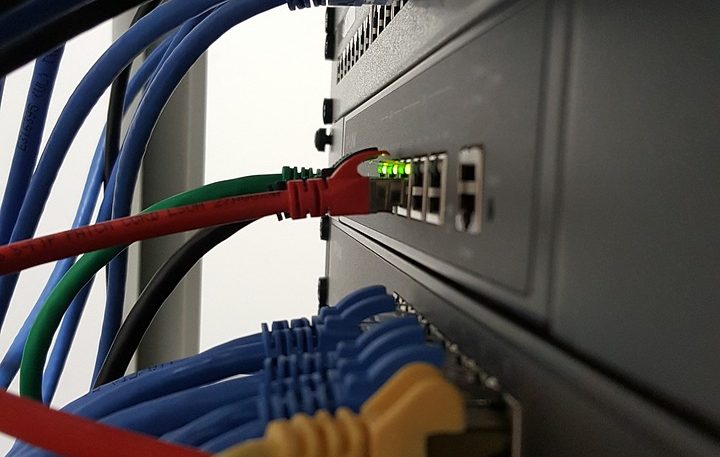
Structured cabling systems provide a comprehensive and standardized approach to network infrastructure, offering several benefits for businesses. Here’s why structured cabling systems are essential for modern businesses:
- Simplified Management: Structured cabling systems use a standardized architecture, making it easier to manage and maintain the network. This reduces complexity and simplifies troubleshooting, ensuring smooth network operations.
- Scalability: Structured cabling systems are designed to support future growth and technological advancements. Businesses can easily add or upgrade components without significant disruptions, accommodating increased demand and new applications.
- Cost-Effective: Although the initial investment in structured cabling may be higher, the long-term benefits outweigh the costs. Reduced downtime, simplified management, and scalability lead to cost savings over time.
- Improved Performance: Structured cabling systems provide high-speed and reliable connectivity, ensuring optimal network performance. This supports bandwidth-intensive applications and enhances overall productivity.
- Flexibility: Structured cabling systems support various types of data, voice, and multimedia services. This flexibility allows businesses to integrate different applications and technologies into a single, cohesive network.
- Enhanced Aesthetics: Structured cabling systems are organized and neatly arranged, reducing clutter and improving the aesthetics of the workplace. This creates a professional and efficient working environment.
- Future-Proofing: With the rapid pace of technological advancements, businesses need a network infrastructure that can adapt to new technologies. Structured cabling systems provide the foundation for future innovations, ensuring that the network remains relevant and capable of supporting emerging technologies.

